Endometriosis and IVF: Tips to Improve Success - Complete Guide
1 hour ago, 12 minutes read
Endometriosis affects 10-15 percent of women of reproductive age and is a leading cause of infertility. Endometrial tissue grows outside the uterus, causing pain, inflammation, and reduced fertility. While endometriosis makes natural conception more difficult, IVF is highly effective for women with this condition. This comprehensive guide explains how endometriosis affects fertility and shares proven strategies to maximize IVF success.
Endometriosis occurs when tissue similar to uterine lining grows outside the uterus, typically on ovaries, fallopian tubes, and pelvic peritoneum. This ectopic tissue responds to hormonal changes and bleeds during menstruation, causing inflammation, scar formation, and pain. Endometriosis is classified into four stages: Stage 1 (minimal), Stage 2 (mild), Stage 3 (moderate), and Stage 4 (severe). Severity depends on extent, depth, and location of lesions. Even minimal endometriosis can reduce fertility, while severe endometriosis often causes significant infertility.
Endometriosis reduces fertility through multiple mechanisms. Adhesions and scar tissue can block fallopian tubes, preventing sperm from reaching eggs or embryos from reaching the uterus. Endometrial lesions produce inflammatory cytokines that damage eggs and reduce fertilization rates. The endometrial microenvironment is altered, reducing implantation receptivity. Ovulation may be impaired. Additionally, women with endometriosis often have lower egg quality and reduced ovarian reserve. Despite these challenges, most women with endometriosis can conceive with appropriate treatment.
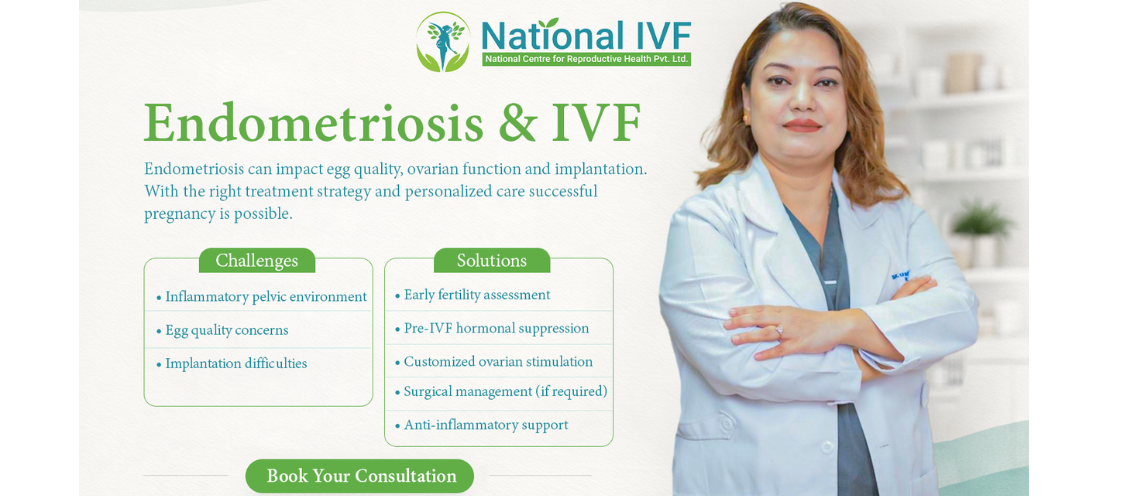
Endometriosis negatively affects both egg quality and uterine receptivity. The inflammatory environment within the pelvis damages developing eggs, reducing fertilization rates and increasing chromosomal abnormalities. Additionally, the eutopic endometrium (normal uterine lining) in women with endometriosis often shows altered gene expression patterns and reduced implantation receptivity. These factors combine to reduce natural conception rates and lower IVF success rates compared to women without endometriosis. However, specialized IVF protocols can compensate for these challenges.
Adenomyosis is a related condition where endometrial tissue invades the myometrium (uterine muscle wall). While adenomyosis and endometriosis often coexist, they are distinct conditions requiring different treatment approaches. Adenomyosis typically causes more severe pain and heavier periods but is often asymptomatic. Adenomyosis also reduces IVF success rates and increases miscarriage risk. Women with endometriosis should be evaluated for concurrent adenomyosis, as treatment may differ.
IVF success rates for women with endometriosis are generally lower than women without endometriosis. Women without endometriosis have approximately 40-50 percent success rates per cycle. Women with endometriosis have approximately 30-40 percent success rates per cycle. However, IVF still offers substantially better outcomes than natural conception for women with endometriosis. Most women with endometriosis achieve pregnancy within 2-3 IVF cycles with appropriate protocols.
Endometriosis stage affects IVF success. Women with minimal (Stage 1-2) endometriosis have success rates similar to women without endometriosis. Women with moderate to severe (Stage 3-4) endometriosis have more reduced success rates, typically 25-35 percent per cycle. However, even severe endometriosis does not prevent pregnancy through IVF. Advanced surgical staging through laparoscopy helps predict fertility potential and guides treatment planning.
Deep infiltrating endometriosis (DIE), where lesions penetrate deeply into pelvic structures, presents particular fertility challenges. DIE often affects ovarian reserve and significantly impairs implantation. Surgical treatment of DIE before IVF may be recommended, though surgery itself can damage ovarian tissue. The decision to pursue surgery before IVF requires careful consideration. Some specialists recommend proceeding directly to IVF with specialized protocols rather than pretreatment surgery.
Research shows conflicting data on whether pretreatment surgery improves IVF outcomes. For early-stage endometriosis, surgery before IVF may improve outcomes. For advanced endometriosis, surgery may damage ovarian function without improving IVF success. Many fertility specialists now recommend proceeding directly to IVF using specialized protocols rather than pretreatment surgery, especially for women with compromised ovarian reserve or advanced disease.
The long GnRH agonist protocol is frequently used for women with endometriosis. GnRH agonists suppress endometrial lesions by creating a hypogonadal state. This suppression reduces inflammation and may improve outcomes. The prolonged downregulation allows endometrial suppression while stimulating ovarian follicles. Many fertility specialists consider the long protocol optimal for endometriosis patients.
The microdose flare protocol uses reduced GnRH agonist doses, resulting in early FSH surges without complete suppression. This protocol is beneficial for women with endometriosis and diminished ovarian reserve. The protocol stimulates follicle development while minimizing suppression of the inflammatory environment. Some women with endometriosis respond better to flare protocols than long protocols.
GnRH antagonist protocols suppress LH without initial FSH surges, allowing direct follicle stimulation. This protocol offers flexibility and typically shorter stimulation periods. Antagonist protocols are increasingly used in endometriosis patients, particularly those with diminished reserve who may benefit from shorter, less suppressive stimulation.
Estrogen priming involves administering estrogen before stimulation, which may synchronize follicle cohorts and improve outcomes in endometriosis patients. This approach shows promise in some centers, though evidence remains limited. Estrogen priming may be particularly helpful for women with endometriosis and poor ovarian response.
Diet significantly impacts endometriosis severity and fertility. An anti-inflammatory diet rich in omega-3 fatty acids (fish, flaxseed), antioxidants (berries, leafy greens), and vegetables reduces systemic inflammation. Avoid red meat, processed foods, and refined carbohydrates, which promote inflammation. Eliminate or reduce caffeine and alcohol. A Mediterranean-style diet is ideal. Reducing inflammation through diet improves egg quality and uterine receptivity for IVF.
Several supplements support endometriosis management and improve fertility. CoQ10 (500-600 mg daily) improves egg quality. N-acetyl cysteine (NAC) reduces inflammation and improves ovarian function. Vitamin D deficiency is common in endometriosis; supplementation to optimal levels improves outcomes. Prenatal vitamins with folate and iron support egg quality. Curcumin (from turmeric) has anti-inflammatory properties. Always discuss supplementation with your fertility specialist.
Regular moderate exercise improves blood flow, reduces inflammation, and manages endometriosis pain. Walking, swimming, yoga, and cycling are ideal. Avoid high-impact exercise that may exacerbate pain. Pelvic floor physical therapy helps manage pelvic pain. Heat therapy and relaxation techniques reduce discomfort. Exercise during IVF should be moderate; avoid intense activity during stimulation.
Stress exacerbates endometriosis through multiple mechanisms and negatively affects fertility. Stress reduction practices including meditation, yoga, mindfulness, acupuncture, and counseling help manage both endometriosis and fertility stress. Women with endometriosis benefit particularly from comprehensive stress management programs.
Endometrial scratching involves mechanically abrading the endometrium during a diagnostic procedure before IVF. This injury stimulates local inflammation and growth factor production, potentially improving implantation. Studies show endometrial scratching improves pregnancy rates in women with endometriosis, particularly recurrent implantation failure. This simple procedure may significantly improve outcomes for endometriosis patients.
Endometrial receptivity analysis (ERA) testing measures endometrial immune cell populations (lymphocytes) that affect implantation. Women with endometriosis often have altered immune profiles. ERA testing can identify whether the window of implantation is shifted, allowing for timed transfer. Additionally, elevated endometrial lymphocytes may be treated with immunomodulatory therapy to improve implantation.
Pre-implantation factor (PIF) is a signal produced by developing embryos that promotes immune tolerance. Some specialists administer PIF peptide or support natural PIF production through specific protocols. While evidence is evolving, PIF support may improve implantation in women with endometriosis and altered immune environments.
Women with endometriosis often have altered immune function that impairs implantation. Intralipid infusions or IVIG (intravenous immunoglobulin) therapy may modulate immune function and improve implantation. Low-dose aspirin and steroids have also been used, though evidence remains debated. Your specialist can determine whether immune modulation is appropriate for your situation.
Pain management during IVF for endometriosis is important. Over-the-counter pain medications (acetaminophen, ibuprofen) can be used. For severe pain, prescription medications may be necessary. Continuous oral contraceptive use or GnRH agonists before IVF suppress endometriosis-related pain. Discuss pain management options with your specialist to ensure safety during treatment.
Natural approaches to pain management include heat therapy, acupuncture, pelvic floor physical therapy, and relaxation techniques. These approaches can be used alongside medications. Many women find acupuncture particularly helpful for endometriosis pain during IVF treatment.
Living with endometriosis pain while undergoing IVF is emotionally challenging. Counseling, support groups, and connection with others experiencing similar challenges provides invaluable emotional support. Managing pain improves treatment tolerability and outcomes.
During IVF, adjust work demands and lifestyle to accommodate pain and treatment. Request time off if needed, reduce stress, maintain self-care, and prioritize rest. These adjustments improve both pain management and treatment outcomes.
Get specialized IVF treatment designed for endometriosis patients. Our experts help maximize your success potential.
A: No, IVF does not cure endometriosis. Endometriosis is a chronic condition that persists after IVF treatment. However, pregnancy may temporarily suppress endometriosis symptoms due to hormonal changes. IVF is highly effective for treating the infertility caused by endometriosis, allowing women to achieve pregnancy despite active disease. After pregnancy, endometriosis management continues.
A: Success rates for women with endometriosis are typically 30-40 percent per cycle, somewhat lower than women without endometriosis (40-50 percent). However, IVF remains highly effective for endometriosis-related infertility. Most women achieve pregnancy within 2-3 cycles. Success rates depend on endometriosis stage, age, ovarian reserve, and treatment protocol.
A: The decision to pursue surgery before IVF is individualized. For early-stage endometriosis with normal ovarian reserve, pretreatment surgery may improve outcomes. For advanced endometriosis or diminished reserve, proceeding directly to IVF with specialized protocols may be preferable, as surgery risks damaging ovarian function. Your specialist can help determine the best approach for your situation.
A: Yes, endometriosis can affect egg quality through inflammatory mechanisms and reduced ovarian reserve. The inflammatory environment in the pelvis may damage developing eggs. Additionally, women with endometriosis often have lower ovarian reserve. However, with appropriate IVF protocols and lifestyle optimization, many women with endometriosis achieve excellent pregnancy outcomes.
A: Yes, endometriosis can return after pregnancy. Pregnancy provides temporary symptom relief due to hormonal suppression, but endometriosis lesions may persist and reactivate after delivery. Breastfeeding may provide additional temporary suppression. Long-term hormonal contraception or other medical management may be recommended after pregnancy to reduce recurrence.
National IVF provides specialized protocols for endometriosis patients. Contact us for a comprehensive fertility evaluation and treatment plan.
Free, no-obligation consultation | Board-certified specialists
News and Articles

जीवनका हरेक मोडहरु नयाँ चुनौती र बाधाहरुले भरिएका हुन्छन् तर ती चुनौतीबाट हासिल गरिने सिकाइले नै हामीलाई सफलता दिलाउन भू...

Introduction: Deciding to seek fertility treatment is a significant step on the journey to parenthood. Selecting the ri...

Introduction When embarking on the journey to parenthood, fertility challenges are often seen as predominantly women'...

