IVF Cost in 2026: Complete Pricing Guide

9 months ago, 6 minutes read
Infertility affects approximately 1 in 8 couples. If you are researching IVF cost, you likely know that pricing is rarely a single, flat fee. In 2026, the total investment for a cycle is influenced by personal medical needs and specialized lab requirements. This National IVF guide provides a transparent breakdown of where your investment goes and how to manage the expenses of fertility treatment.
Understanding the structure of IVF pricing allows patients to prepare both medically and financially. At National IVF, treatment is offered through a package-based system designed to reduce financial pressure on patients. These packages can be paid in installments, and patients are also given the flexibility to take breaks between stages of treatment so they can be financially ready without compromising care.
The package cost includes:
However, certain medications and investigations are not included in the fixed package cost, as these are individualized and depend on each patient's medical condition and treatment response. Such requirements are assessed on a case-by-case basis to ensure personalized and appropriate care.
IVF is costly worldwide because it relies on advanced medical technologies and precision-driven processes. The success of IVF is directly related to the methods used, the quality of consumables and disposables, and the expertise of highly skilled medical professionals, including fertility specialists, embryologists, anesthetists, and trained nursing staff. Each stage of the IVF process requires strict protocols and controlled environments, which significantly contribute to the overall cost.
The IVF laboratory is central to treatment success, and the embryo culture system used directly impacts IVF outcomes in Nepal. The decision between Day 3 (D3) embryo culture and Day 5 (D5) blastocyst culture plays a crucial role in implantation and pregnancy rates. Advanced laboratory practices such as blastocyst culture, embryo biopsy, and PGT require specialized equipment, strict quality control, and expert embryologists. These advanced techniques improve embryo selection and success rates but also add to the overall cost of treatment due to the complexity and precision involved.
Day 3 (D3) Embryo Culture: Embryos are transferred after 3 days of development. This approach allows for earlier transfer and may be suitable in certain clinical scenarios.
Day 5 (D5) Blastocyst Culture: Embryos develop to the blastocyst stage before transfer. This method generally has higher implantation and pregnancy rates, allowing for better embryo selection and improved success outcomes.
Modern IVF laboratories offer advanced techniques including:
Our fertility specialists offer personalized treatment plans based on your unique situation. Schedule a free consultation to discuss your IVF costs and options.
A: The total cost of an IVF cycle varies based on individual medical needs and treatment requirements. National IVF offers package-based pricing that includes consultations, ultrasounds, monitoring scans, egg retrieval, anesthesia, lab work, embryo culture, and embryo transfer. Individual medications and investigations are assessed on a case-by-case basis.
A: The fixed package cost includes most treatment components such as doctor consultations, ultrasound scans, monitoring, egg pickup, anesthesia, operation theatre charges, IVF/ICSI charges, blastocyst culture, embryo freezing, and frozen embryo transfer. However, certain medications and individualized investigations are not included in the fixed package, as these depend on each patient's medical condition and treatment response.
A: Yes, National IVF offers flexible payment options. Treatment packages can be paid in installments, and patients are given the flexibility to take breaks between stages of treatment so they can be financially ready without compromising care quality.
A: Day 3 (D3) embryo culture involves transferring embryos after 3 days of development, while Day 5 (D5) blastocyst culture allows embryos to develop to the blastocyst stage. Day 5 blastocyst culture generally has higher implantation and pregnancy rates but requires more advanced laboratory techniques and expertise, which may add to the overall treatment cost.
A: IVF is costly worldwide because it relies on advanced medical technologies and precision-driven processes. The success of IVF is directly related to the methods used, the quality of consumables and disposables, and the expertise of highly skilled medical professionals including fertility specialists, embryologists, anesthetists, and trained nursing staff. Each stage requires strict protocols and controlled environments.
A: The IVF laboratory cost covers the embryo culture system, specialized equipment, and expert embryologists. Advanced laboratory practices such as blastocyst culture, embryo biopsy, and PGT require specialized equipment, strict quality control, and expert embryologists. These advanced techniques improve embryo selection and success rates but add to the overall cost due to their complexity and precision.
National IVF provides cutting-edge fertility treatment with success rates above the national average. Contact us today for a personalized assessment of your fertility potential.
Free, no-obligation consultation | Board-certified specialists
News and Articles
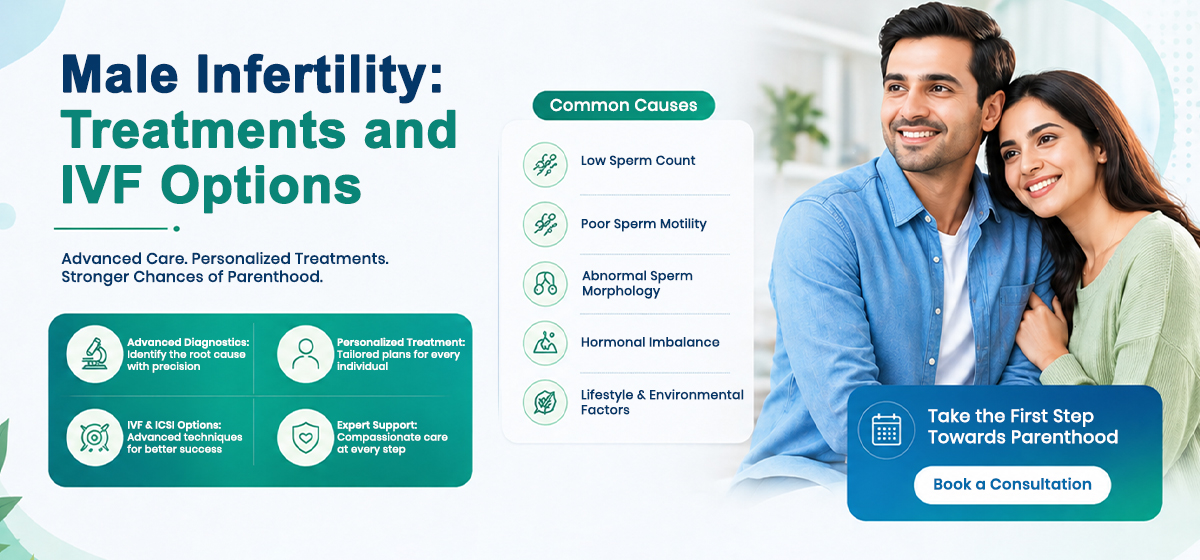
Introduction Male factor infertility accounts for 30-40 percent of infertility cases. Causes range from low sperm...

When the journey to parenthood takes longer than expected, it is entirely natural to feel overwhelmed and ask, "What can...

Introduction: Deciding to seek fertility treatment is a significant step on the journey to parenthood. Selecting the ri...

