Female Hormones: Understanding Their Role in Women’s Health
1 year ago, 8 minutes read
Introduction
Hormones play a crucial role in the health and well-being of women at every stage of life. From regulating menstruation and supporting pregnancy to influencing mood and metabolism, female hormones are central to many vital functions. National IVF Center, widely regarded as the best IVF center in Nepal, understands the significance of hormonal balance, especially for women facing fertility challenges. This comprehensive guide explores the major female hormones, their functions, and how imbalances can impact overall health, with a strong focus on the expert care provided by the best IVF center in Nepal.
What Are Hormones?
Hormones are chemical messengers produced by endocrine glands that travel through the bloodstream to organs and tissues. These messengers coordinate and control a wide range of body functions, including growth, metabolism, mood regulation, and reproductive health. In women, several specific hormones govern reproductive processes and general well-being.
Major Female Hormones and Their Functions
Estrogen : Estrogen is often referred to as the primary female hormone. It plays a central role in the development of secondary sexual characteristics such as breast development and the distribution of body fat. It regulates the menstrual cycle by controlling the growth of the uterine lining and helps prepare the body for possible pregnancy. Estrogen also supports bone density and skin health. At the best IVF center in Nepal, estrogen levels are carefully monitored in fertility treatments, as imbalances can disrupt ovulation and reduce chances of conception.
Progesterone : Progesterone works closely with estrogen to regulate the menstrual cycle. It is crucial in the second half of the cycle (the luteal phase), helping maintain the uterine lining for embryo implantation. If pregnancy occurs, progesterone levels remain high to support early fetal development. Insufficient progesterone can result in difficulty maintaining pregnancy or irregular cycles. At National IVF Center, progesterone support is commonly administered during fertility treatments like IVF to enhance the chances of successful implantation and pregnancy.
Follicle-Stimulating Hormone (FSH) : FSH is responsible for the growth and maturation of ovarian follicles the tiny sacs that contain eggs. It signals the ovaries to begin the development of several follicles, one of which will become dominant and release an egg. High FSH levels can indicate reduced ovarian reserve or approaching menopause. The best IVF center in Nepal routinely evaluates FSH levels to determine a woman’s reproductive potential and to tailor fertility treatments accordingly.
Luteinizing Hormone (LH) : LH plays a key role in triggering ovulation, the release of a mature egg from the ovary. It also stimulates the corpus luteum to produce progesterone, which is vital for preparing the uterus for pregnancy. Disruptions in LH production can lead to conditions like Polycystic Ovary Syndrome (PCOS), which affects ovulation. Fertility specialists at National IVF Center monitor LH levels as part of personalized fertility plans to ensure optimal timing and support for conception.
Prolactin : Prolactin is primarily associated with milk production after childbirth. However, elevated prolactin levels in non-pregnant women can suppress ovulation and cause irregular menstrual cycles. High prolactin is often a hidden cause of infertility. The best IVF center in Nepal conducts detailed hormonal evaluations, including prolactin testing, to identify such underlying issues and implement effective treatment.
Testosterone : While testosterone is considered a male hormone, women also produce small amounts that are essential for muscle strength, mood stability, and libido. Elevated levels of testosterone in women can cause acne, excess hair growth (hirsutism), and disrupted menstrual cycles. This hormonal imbalance is a hallmark of PCOS, a leading cause of infertility. National IVF Center offers comprehensive PCOS management programs, including hormonal therapies and lifestyle adjustments.
Anti-Mullerian Hormone (AMH) : AMH is a reliable marker of ovarian reserve. It indicates the number of eggs a woman has remaining. Unlike other hormones, AMH levels remain relatively stable throughout the menstrual cycle. Low AMH levels may signal diminished fertility potential. At the best IVF center in Nepal, AMH testing is an essential part of fertility assessment, guiding decisions on egg retrieval and treatment strategies.
Hormonal Changes Throughout a Woman’s Life
Puberty : During puberty, the hypothalamus and pituitary gland initiate the production of estrogen and other hormones, leading to the onset of menstruation and development of adult female characteristics. This stage lays the foundation for future reproductive health.
Menstrual Cycle : Each month, estrogen and progesterone levels rise and fall in a coordinated sequence that regulates ovulation and menstruation. Imbalances at any point can lead to cycle irregularities, making conception more difficult. National IVF Center utilizes hormone tracking to understand menstrual health and customize fertility treatment plans.
Pregnancy : Pregnancy involves dramatic hormonal changes. hCG (human chorionic gonadotropin), progesterone, and estrogen levels soar to support the growing fetus and prevent miscarriage. Hormone supplementation is often required in assisted pregnancies to ensure proper uterine support. At the best IVF center in Nepal, patients receive close monitoring and expert care during early pregnancy.
Perimenopause and Menopause : As women age, estrogen and progesterone production gradually declines. This transition, known as perimenopause, leads to symptoms like hot flashes, mood swings, and irregular cycles. Eventually, menstruation stops entirely, marking menopause. The best IVF center in Nepal provides hormone replacement therapies (HRT) and supportive care to manage these changes effectively.
Hormonal Imbalances and Their Effects
Hormonal imbalances can arise from multiple factors, including stress, poor diet, medical conditions, and environmental toxins. Common effects include:
Irregular Periods: Disrupted estrogen or progesterone levels can alter the cycle.
Weight Fluctuations: Hormones affect metabolism and fat storage.
Mood Swings: Imbalances can influence neurotransmitters.
Sleep Disorders: Low progesterone is linked to poor sleep quality.
Infertility: Unbalanced hormones interfere with ovulation and implantation.
National IVF Center identifies these issues through a complete hormonal profile and develops treatment strategies to restore balance.
Diagnosing Hormonal Imbalances at National IVF Center
As the best IVF center in Nepal, National IVF Center employs advanced diagnostics to evaluate hormone levels and fertility status. Blood tests for FSH, LH, AMH, prolactin, estrogen, and progesterone offer insights into ovarian function. Ultrasound imaging helps visualize the ovaries and uterine lining. Together, these tools provide a comprehensive picture for developing effective fertility strategies.
Treatments and Hormone Support Therapies At National IVF Center, treatment for hormonal imbalances is tailored to individual needs, including:
Hormone Replacement Therapy (HRT) : HRT is used to supplement low hormone levels, particularly in cases of premature ovarian failure or menopause. It helps manage symptoms and improve quality of life.
Ovulation Induction : Medications like Clomid or injectable gonadotropins are prescribed to stimulate ovulation. These are carefully timed and monitored to maximize success rates.
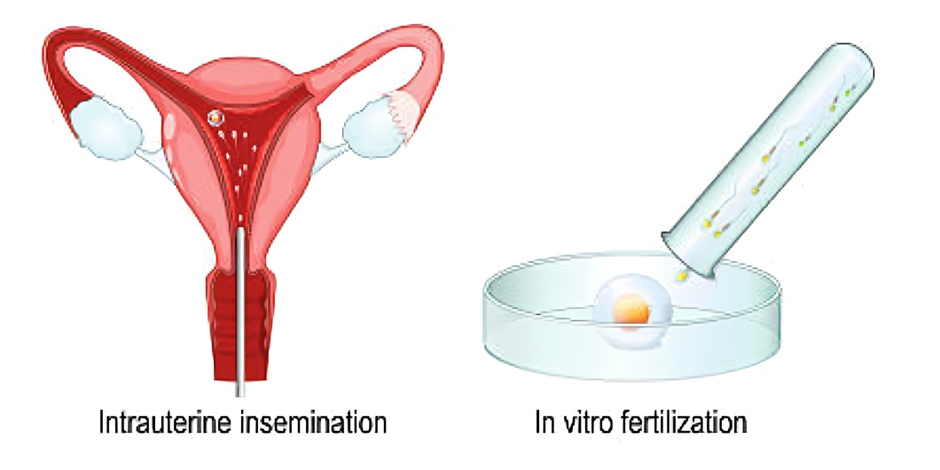
IVF and ICSI : These advanced reproductive technologies often require hormone stimulation to retrieve multiple eggs. National IVF Center uses precise hormone protocols to support egg development, fertilization, and embryo transfer.
Lifestyle Counseling : Nutrition, exercise, and stress management significantly influence hormonal health. Patients receive guidance on how to optimize lifestyle for hormonal balance and fertility success.
Empowering Health Through Education and Expert Care
Knowledge about hormones is a powerful tool in managing health and fertility. National IVF Center combines education with compassionate care, offering detailed consultations and evidence-based treatments. As the best IVF center in Nepal, the clinic ensures that every patient receives not only medical support but also clear, empowering information.
Conclusion
Female hormones govern key aspects of reproductive and general health. When functioning correctly, they enable menstrual regularity, pregnancy, and emotional stability. Disruptions can lead to significant health challenges, particularly for women attempting to conceive. National IVF Center, recognized as the best IVF center in Nepal, offers specialized diagnostics and treatments that help restore hormonal balance and support reproductive goals. Expert care, state-of-the-art technology, and a patient-first approach make National IVF Center a trusted partner in women's health and fertility care.
Schedule a consultation with the expert team at National IVF Center Nepal’s best IVF center to assess your hormonal health and take the next step toward wellness and parenthood.