IVF for PCOS Patients: Complete Guide to Treatment, Success Rates & Challenges
7 months ago, 15 minutes read
Polycystic Ovary Syndrome (PCOS) is one of the most common causes of infertility in women, affecting approximately 1 in 10 women of reproductive age. If you have been diagnosed with PCOS, you may have struggled with irregular periods, anovulation (lack of ovulation), and difficulty conceiving naturally. The good news is that IVF is one of the most effective fertility treatments for women with PCOS. With proper protocols and individualized treatment plans, many PCOS patients achieve successful pregnancies through IVF. This comprehensive guide explains how IVF works for PCOS and what you need to know about your fertility options.
PCOS is an endocrine disorder characterized by hormonal imbalances that affect ovulation and fertility. Women with PCOS typically have elevated levels of androgens (male hormones), which interfere with normal follicle development and egg release. This results in irregular menstrual cycles, absent ovulation, and difficulty conceiving naturally. Additionally, PCOS is often associated with insulin resistance, which compounds hormonal imbalances and may affect egg quality.
PCOS affects 1 in 10 women of reproductive age worldwide, making it one of the most common endocrine disorders. It is the leading cause of anovulatory infertility (infertility due to lack of ovulation). Women with PCOS have a higher prevalence of irregular cycles, difficulty conceiving, and increased rates of miscarriage. However, with appropriate treatment including lifestyle modifications and assisted reproductive technology like IVF, PCOS patients achieve excellent fertility outcomes.
The primary hormonal abnormality in PCOS is elevated androgen levels (high testosterone and androstenedione). This hormonal excess disrupts normal follicle development within the ovaries. Instead of one dominant follicle maturing and releasing an egg each cycle, PCOS ovaries develop many immature follicles, resulting in the characteristic polycystic appearance on ultrasound. Additionally, women with PCOS often have elevated LH (luteinizing hormone) levels relative to FSH (follicle-stimulating hormone), further disrupting normal ovulation patterns.
A common concern for PCOS patients is whether their egg quality is compromised. While PCOS does not inherently reduce egg quantity (PCOS patients typically have normal or elevated ovarian reserves), egg quality can be affected by the underlying hormonal and metabolic abnormalities. Insulin resistance, elevated androgens, and chronic inflammation in PCOS can impact egg maturation and developmental potential. However, with proper management and IVF protocols, many PCOS patients achieve excellent embryo quality and pregnancy outcomes.
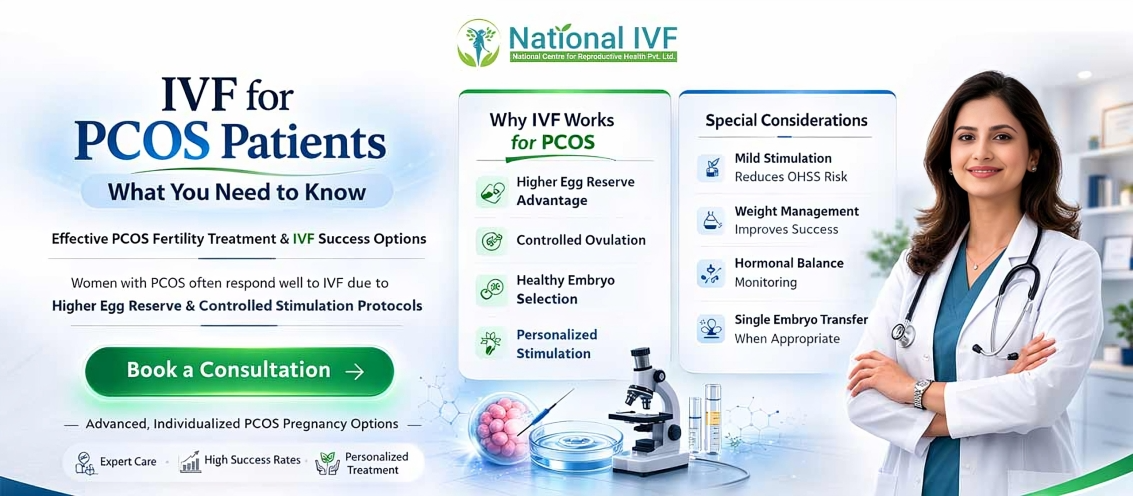
One significant advantage for PCOS patients considering IVF is that they typically have good ovarian reserve. Unlike older women or women with diminished ovarian reserve, PCOS patients usually respond well to ovarian stimulation medications and produce multiple mature eggs. This abundance of eggs provides fertility specialists with more options for embryo selection and increases the chances of having healthy embryos available for transfer or future use.
In natural cycles, PCOS patients struggle with unpredictable ovulation due to hormonal imbalances. IVF provides precise control over the entire reproductive process. Fertility specialists use carefully calculated medications to suppress natural hormone production, then provide exact doses of FSH to stimulate controlled follicle development. This level of control bypasses the PCOS-related hormonal disruptions that prevent normal ovulation. Doctors can time egg retrieval perfectly, ensuring mature eggs are obtained at the optimal moment.
The egg retrieval process allows specialists to obtain mature eggs directly from the ovaries under ultrasound guidance. Once retrieved, fertilization occurs in the laboratory under controlled conditions. Fertilized eggs develop into embryos over 5-6 days. Embryos can be evaluated for quality based on cell division patterns and morphology. With advanced testing like PGT-A, embryos can be screened for chromosomal abnormalities before transfer, ensuring only healthy embryos are selected for implantation. This selection process significantly improves success rates.
Studies consistently show that PCOS patients have similar or better IVF success rates compared to women without PCOS. A study published in the journal Fertility and Sterility found that PCOS patients had higher fertilization rates and comparable implantation and pregnancy rates. With individualized protocols and proper monitoring, success rates for PCOS patients often exceed national averages. The combination of good egg quantity, proper ovulation control, and embryo selection creates an ideal environment for successful conception.
PCOS patients are at higher risk of Ovarian Hyperstimulation Syndrome (OHSS) due to their abundant follicles and higher baseline hormone levels. To minimize this risk, many fertility specialists recommend mild stimulation protocols or modified protocols specifically designed for PCOS. These approaches use lower medication doses, reduce the number of growing follicles, and may include the freeze-all strategy (freezing all embryos for transfer in a later cycle). Mild stimulation maintains excellent success rates while significantly reducing OHSS risk. This personalized approach ensures both safety and efficacy for PCOS patients.
Many women with PCOS struggle with weight management due to insulin resistance. Achieving a healthy BMI before starting IVF can significantly improve outcomes. Research shows that even a 5-10 percent weight loss improves ovulation, reduces insulin resistance, and enhances IVF success rates. Weight management through balanced nutrition, regular exercise, and lifestyle modifications should begin at least 3-6 months before IVF treatment. Your fertility specialist can provide recommendations for safe, sustainable weight loss that optimizes fertility without compromising your overall health.
During IVF treatment, PCOS patients require careful hormonal monitoring to ensure optimal response to stimulation medications and to detect early signs of OHSS. Regular ultrasound scans track follicle development, and blood tests measure hormone levels (estradiol, progesterone, LH). This close monitoring allows your specialist to adjust medication doses in real time, preventing over-stimulation while maintaining adequate follicle development. Personalized protocols based on individual hormone responses optimize safety and success for each PCOS patient.
For PCOS patients at higher risk of OHSS and pregnancy complications, single embryo transfer (SET) is often recommended. Transferring one healthy embryo maintains excellent success rates while reducing the risk of multiple pregnancies, which carry higher risks for both mother and babies. Multiple pregnancies compound OHSS risk and other pregnancy complications. With modern embryo selection techniques and vitrification (freezing), any remaining embryos can be preserved for future use, reducing the need for multiple transfers or additional IVF cycles.
Diet plays a crucial role in managing PCOS and improving fertility outcomes. A PCOS-friendly diet focuses on low glycemic index foods, high fiber intake, lean proteins, and healthy fats. Reducing refined carbohydrates and sugar helps manage insulin resistance. Include foods rich in antioxidants such as leafy greens, berries, nuts, and seeds. Limit inflammatory foods and focus on anti-inflammatory options. Working with a nutritionist experienced in PCOS can help you develop a personalized dietary plan that supports weight management and improves egg quality for IVF.
Several supplements and medications can support PCOS management and improve IVF outcomes. Inositol (myo-inositol and D-chiro-inositol) has strong evidence supporting improved ovulation and insulin sensitivity in PCOS patients. Metformin, a medication that improves insulin resistance, is often prescribed to PCOS patients to enhance fertility. Vitamin D deficiency is common in PCOS; supplementation to achieve optimal levels may improve outcomes. CoQ10 and prenatal vitamins with folate support egg quality. Always discuss supplementation with your fertility specialist to ensure safety and appropriate dosing.
Regular moderate exercise improves insulin sensitivity, promotes weight loss, and enhances overall fertility. Aim for 150 minutes of moderate-intensity exercise weekly, such as brisk walking, cycling, or swimming. Include both aerobic exercise and resistance training. Exercise also helps reduce the stress and anxiety associated with fertility treatment. However, avoid excessive high-intensity exercise during IVF stimulation, as this may exacerbate OHSS risk. Work with your specialist to develop an exercise plan appropriate for your individual PCOS situation and IVF cycle.
Insulin resistance is a key underlying factor in PCOS and affects fertility outcomes. Managing insulin resistance through weight loss, low glycemic diet, regular exercise, and sometimes medication (metformin) significantly improves IVF success. Reducing fasting insulin levels improves ovulation, egg quality, and implantation. Blood tests can measure insulin resistance (fasting insulin levels, HOMA-IR score). Working with your fertility specialist and other healthcare providers to address insulin resistance optimizes your fertility potential and overall health.
Achieving a healthy BMI before IVF significantly improves success rates. Studies show that for every unit increase in BMI above 25, pregnancy rates decrease and miscarriage rates increase. Conversely, weight loss of 5-10 percent in overweight PCOS patients improves ovulation, reduces insulin resistance, and enhances IVF outcomes. While weight management takes time, even modest weight loss before starting IVF can meaningfully improve your chances of success. Your fertility specialist and nutritionist can help you set realistic weight loss goals and develop a sustainable plan.
Chronic stress negatively impacts fertility through hormonal disruption and inflammation. PCOS patients may experience anxiety related to their diagnosis and fertility concerns. Stress reduction practices such as yoga, meditation, mindfulness, and counseling improve mental health and fertility outcomes. Many fertility clinics offer counseling services or can refer you to mental health professionals experienced with fertility issues. Taking time for self care, maintaining supportive relationships, and addressing emotional challenges improves both your overall well being and IVF success rates.
Every PCOS patient is unique, with different hormone levels, ovarian responses, and fertility challenges. A personalized IVF protocol tailored to your individual characteristics ensures optimal outcomes. Your specialist evaluates your complete medical history, hormone levels, ovarian reserve, and previous treatment responses to design a customized stimulation protocol. Regular monitoring and adjustment of medications based on your individual response ensures you receive the right medication doses at the right times. This individualized approach maximizes success while minimizing complications.
Careful monitoring throughout your IVF cycle is essential for PCOS patients to ensure safety and optimize outcomes. Regular ultrasounds track follicle development, preventing excessive stimulation. Blood tests measure hormone levels to ensure appropriate medication response. Communication with your clinic about any symptoms or concerns allows for rapid intervention if complications develop. This attentive, ongoing monitoring ensures your safety while maximizing the chances of obtaining optimal eggs and successful fertilization.
Our fertility specialists are experienced in treating PCOS patients and designing personalized IVF protocols. Schedule your free consultation to discuss your PCOS fertility options and success potential.
A: IVF success rates for PCOS patients are often comparable to or better than women without PCOS. Most studies show that PCOS patients have high fertilization rates and good implantation rates when appropriate protocols are used. Success depends on various factors including age, egg quality, embryo quality, and uterine health. On average, PCOS patients have approximately 40-50 percent pregnancy rates per cycle when treated with individualized protocols. Many PCOS patients achieve pregnancy within 1-2 cycles.
A: IVF does not cure PCOS, as PCOS is a chronic endocrine condition. However, IVF is highly effective for treating the infertility caused by PCOS. By bypassing the ovulation problems and allowing controlled egg retrieval and embryo selection, IVF helps PCOS patients achieve pregnancy. After achieving pregnancy through IVF, PCOS remains present, but many women experience temporary improvement in PCOS symptoms during pregnancy due to hormonal changes. After pregnancy, PCOS management continues with lifestyle modifications and sometimes medication.
A: Not necessarily. While PCOS patients have abundant follicles and may respond well to stimulation, many specialists actually use lower doses or modified stimulation protocols to reduce OHSS risk. The goal is controlled stimulation that produces multiple mature eggs without excessive follicle development. Your specialist will determine the appropriate medication dose based on your individual hormone levels, ovarian reserve (AMH), and previous responses. Modern monitoring allows precise dose adjustments throughout your cycle to optimize outcomes while maintaining safety.
A: While weight loss is not absolutely required to pursue IVF, achieving a healthy BMI significantly improves success rates and reduces complications. Even modest weight loss of 5-10 percent for overweight women improves ovulation, reduces insulin resistance, and enhances pregnancy outcomes. If you are considering IVF, beginning weight management 3-6 months before treatment is ideal. However, if you are eager to start treatment, you can proceed while working on weight management. Your fertility specialist can help you determine the best timeline and approach for your individual situation.
A: Yes, natural pregnancy is possible while preparing for IVF. Many women with PCOS benefit from lifestyle modifications including weight loss, diet changes, and supplements, which can sometimes restore ovulation even without medical treatment. However, if you have been diagnosed with infertility due to PCOS anovulation, waiting for natural pregnancy may delay your fertility treatment. Your specialist can help you decide whether to pursue natural conception strategies or proceed with IVF based on your age, duration of infertility, and other factors.
National IVF has extensive experience treating PCOS patients with individualized protocols and proven success. Contact our PCOS specialists today for a comprehensive fertility evaluation and treatment plan.
Free, no-obligation consultation | Board-certified specialists
Can Irregular Periods Be a Sign of Fertility Problems? Key Takeaways Irregular periods often indicate irregular or...

Exercise and Fertility: What's Safe? by Dr. Usha Karki, Obstetrician and Gynecologist/ Fertility Specialist. Key...
Secondary Infertility: Causes, Diagnosis, Treatment in Nepal Key Takeaways Secondary infertility means difficulty...

