IVF Success Rates in Nepal: A Comprehensive Guide to Your Journey to Parenthood
1 month ago, 8 minutes read
When navigating the complex journey of infertility, understanding the IVF success rates in Nepal is generally the first step couples take. To answer the most pressing question directly: the average IVF success rate in Nepal ranges between 40% and 65% for women under the age of 35. However, success rates are highly individualized and naturally decline as maternal age increases, dropping to around 10% for women over 40.
At National IVF, we understand that behind every statistic is a couple dreaming of a family. In Vitro Fertilization (IVF) is a sophisticated form of Assisted Reproductive Technology (ART) where an egg is retrieved, fertilized in a specialized laboratory, and gently implanted into the uterus.
This comprehensive guide, clinically guided by Dr. Usha Karki, breaks down exactly what impacts your chances of success, what the process involves, and actionable steps you can take to optimize your fertility health before treatment begins.
While IVF is widely recognized as one of the most effective treatments for infertility, it is important to understand that it does not offer a 100% guarantee on the first cycle. Outcomes depend heavily on a variety of biological and clinical factors, with the age of the female partner being the most critical predictive indicator.
Below is an overview of estimated IVF success rates per embryo transfer, categorized by maternal age, assuming average reproductive health for both partners:
| Maternal Age Bracket | Estimated IVF Success Rate | Clinical Context |
| Under 35 Years | 50% – 65% | Highest egg quality and ovarian reserve. |
| 35 to 37 Years | 40% – 45% | Slight decline in egg quality; genetic screening often recommended. |
| 38 to 40 Years | 25% – 30% | Diminished ovarian reserve becomes more prominent. |
| Over 40 Years | 10% or Below | Highest risk of chromosomal abnormalities; donor eggs may be discussed. |
Interpretation: The table demonstrates a clear correlation between age and success. Patients exploring IVF are generally encouraged to seek consultations early to maximize their biological advantages.
Why does a cycle succeed for one couple and require adjustments for another? The success of IVF depends on a delicate synchronization of several clinical and physiological factors.
As women age, both the quantity and the chromosomal quality of their eggs naturally decrease. Women under 35 typically produce a higher yield of healthy, mature eggs during ovarian stimulation. Poor egg quality can lead to lower fertilization rates or embryos that fail to implant properly.
Fertility is a shared equation. Male infertility accounts for nearly half of all conception challenges. The quality, motility, and morphology of the sperm are vital for successful fertilization in the lab. If male factor infertility is diagnosed, techniques like ICSI (Intracytoplasmic Sperm Injection) may be utilized at an advanced IVF clinic in Nepal to improve fertilization rates.
Couples who have experienced a successful pregnancy in the past generally have a higher chance of IVF success. Conversely, underlying medical conditions can complicate the process. For instance, Polycystic Ovary Syndrome (PCOS), endometriosis, uterine fibroids, or blocked fallopian tubes all require highly tailored medical management before the IVF cycle begins.
The Controlled Ovarian Stimulation (COH) protocol is how your doctor uses fertility medications to help your ovaries produce multiple mature eggs. A highly skilled specialist will customize this protocol based on your hormone levels to prevent complications like Ovarian Hyperstimulation Syndrome (OHSS) while maximizing egg yield.
Furthermore, the embryo transfer itself requires immense precision. Transferring a high-quality embryo at the exact window of uterine receptivity is crucial for implantation.
If you have been trying to conceive without success for over a year (or six months if you are over 35), it may be time to seek expert guidance. Book a Comprehensive Fertility Evaluation with National IVF Today
Proven Ways to Improve Your Chances of IVF Success
While you cannot change your age or genetics, you can actively optimize your lifestyle to support your reproductive system. Creating a healthy physiological environment can improve both egg and sperm quality leading up to your treatment.
Maintaining a healthy Body Mass Index (BMI) is critical. Being significantly underweight or overweight can disrupt hormonal balance and negatively affect IVF medications. The ideal BMI is generally considered to be between 18.5 and 24.9.
Focus on a nutrient-rich, anti-inflammatory diet that includes:
Dark, leafy green vegetables (rich in folate)
Whole grains and legumes
Antioxidant-rich berries
Healthy fats like avocados and nuts
Smoking and excessive alcohol consumption directly damage the DNA in both eggs and sperm. Smoking restricts blood flow to the uterus, heavily reducing uterine receptivity. Additionally, high caffeine intake has been linked to hormonal imbalances. Most fertility specialists recommend limiting caffeine to less than 1–2 small cups of coffee per day while preparing for IVF.
The emotional toll of infertility is significant. However, chronic stress can elevate cortisol levels, which may interfere with reproductive hormones like estrogen and progesterone. Incorporate stress-management techniques such as gentle yoga, meditation, or counseling. Pair this with 7–9 hours of high-quality sleep per night to allow your endocrine system to repair and regulate itself.
The technology, laboratory standards, and clinical expertise of your chosen fertility center play an undeniable role in your success. National IVF stands out as the best IVF clinic in Nepal because we combine state-of-the-art laboratory environments with deeply compassionate, patient-centered care.
From Pre-implantation Genetic Testing (PGT) to Endometrial Receptivity Testing (ERA), our clinic utilizes advanced diagnostic tools to uncover the root cause of infertility before initiating treatment. We believe in diagnosis before intervention.

When choosing a specialist, experience and empathy are paramount. Dr. Usha Karki, the Clinical Director at National IVF, is widely regarded as one of the most trusted names in reproductive health in Kathmandu.
Holding an MBBS, an MD in Obstetrics and Gynecology, and a prestigious Fellowship in Reproductive Medicine, Dr. Karki specializes in complex infertility evaluation, PCOS management, and high-risk pregnancy care. Her approach is rooted in clear communication and evidence-based medicine, ensuring that every couple feels supported, educated, and safe throughout their IVF journey.
Is IVF 100% success?
No, IVF does not guarantee a 100% success rate. On average, the success rate ranges from 10% to 65% per cycle, depending heavily on the female partner's age, the cause of infertility, and overall reproductive health.
What is the average cost of IVF in Kathmandu, Nepal?
The average cost of a standard IVF cycle in Kathmandu typically ranges between NPR 2,00,000 and NPR 2,50,000. However, this cost can vary based on required medications, advanced laboratory techniques (like ICSI or PGT), and individual diagnostic needs.
How many IVF are successful first try?
For women under the age of 35, there is approximately a 50% to 65% chance of achieving a successful pregnancy on the first IVF try. For many couples, it is completely normal to require two or three cycles to achieve a successful clinical pregnancy.
Who is the best IVF doctor in Nepal?
Dr. Usha Karki at National IVF is widely recognized as one of the best IVF and fertility doctors in Nepal. With specialized fellowship training in reproductive medicine and years of high success rates managing complex cases like PCOS and male infertility, she provides expert, patient-centered care.
The road to parenthood can feel overwhelming, but you do not have to walk it alone. With the right clinical expertise, advanced technology, and compassionate support, your dream of building a family is within reach.
News and Articles
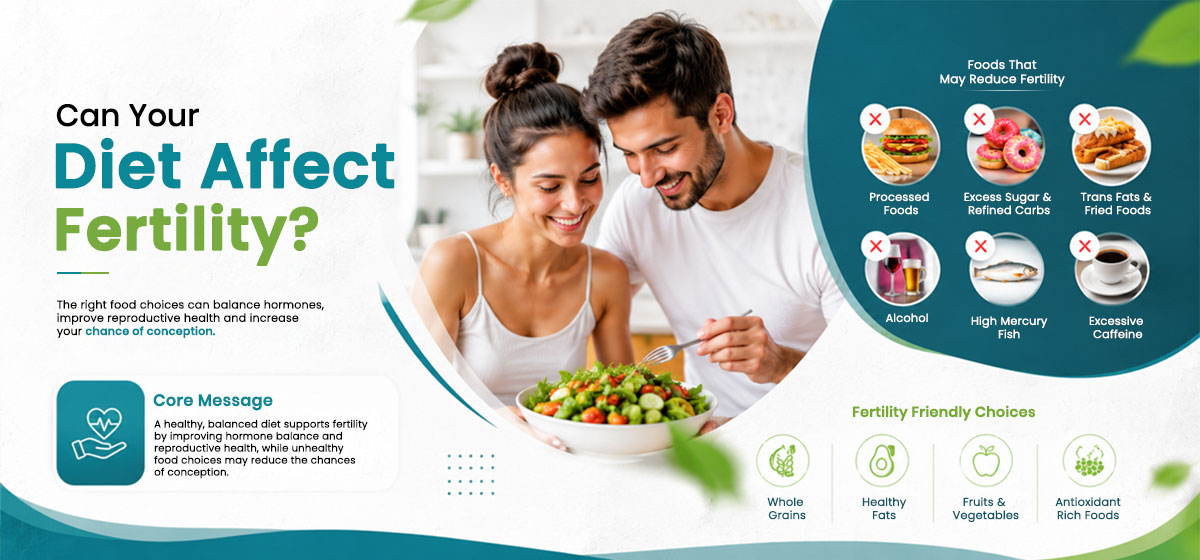
Can Your Diet Affect Fertility? Foods to Avoid Key Takeaways Diet affects fertility mainly through hormone ba...
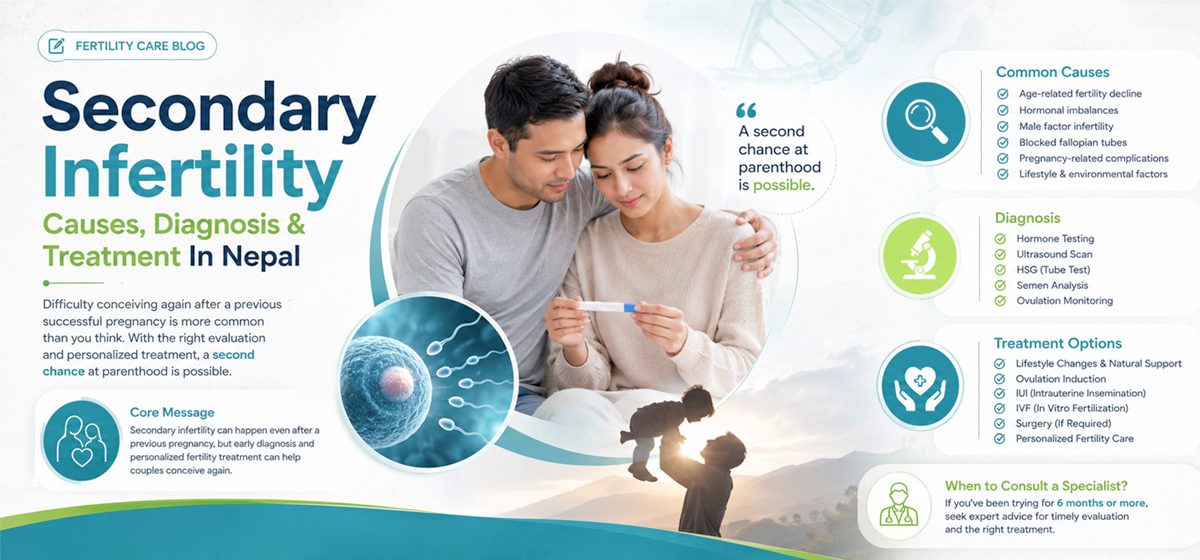
Secondary Infertility: Causes, Diagnosis, Treatment in Nepal Key Takeaways Secondary infertility means difficulty...
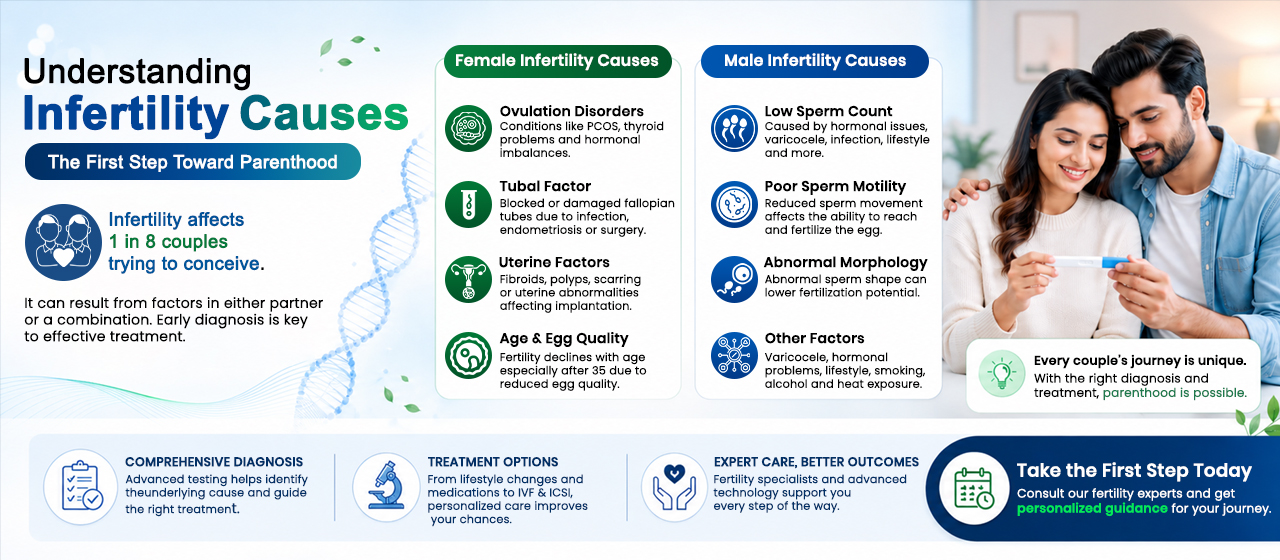
Introduction Infertility affects approximately 1 in 8 couples trying to conceive. Understanding the causes of inf...

