PCOS Treatment in Nepal: A Complete Guide to Managing Symptoms and Boosting Fertility
1 month ago, 7 minutes read
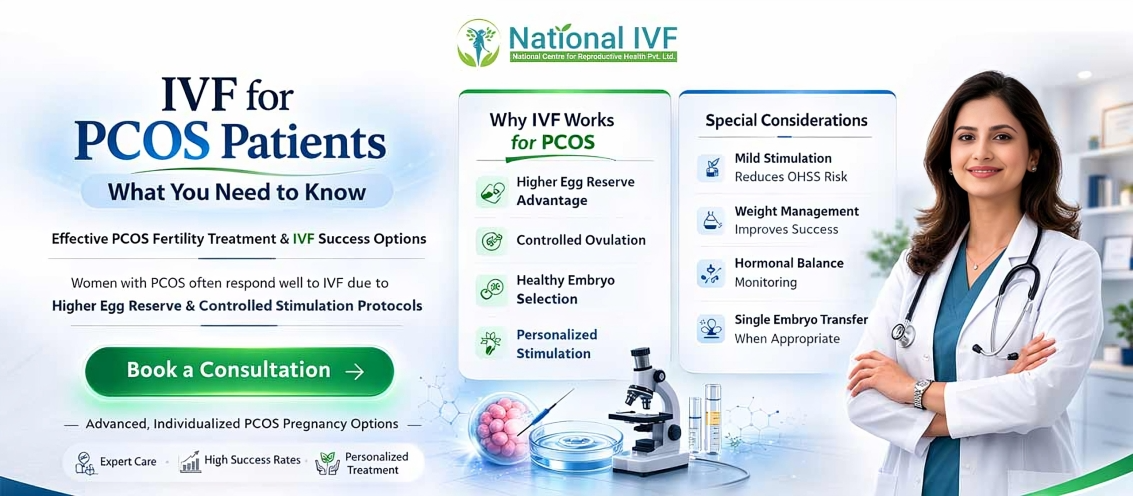
Polycystic Ovary Syndrome (PCOS) is one of the most common hormonal disorders affecting women of reproductive age. If you are seeking PCOS treatment in Nepal, the most effective approach is a highly personalized combination of metabolic management, hormonal regulation, and targeted fertility care. Because PCOS affects every woman differently, there is no single "magic pill."
At National IVF, located in Kathmandu, we understand that PCOS can be frustrating causing unpredictable periods, unexplained weight gain, and challenges with conception. Under the expert clinical guidance of Dr. Usha Karki, our approach focuses on diagnosing the root cause and delivering tailored interventions to help you reclaim your health and achieve your dream of parenthood.
The best treatment for PCOS depends entirely on your primary goal. If you are actively trying to get pregnant, treatment generally focuses on ovulation induction using targeted medications, follicular monitoring, and sometimes Assisted Reproductive Technology (ART) like IUI or IVF. If you are not currently trying to conceive, treatment focuses on regulating your menstrual cycle, managing insulin resistance, and controlling symptoms like acne and hair growth using hormonal therapies and lifestyle modifications.
PCOS is an endocrine (hormonal) disorder. In a typical menstrual cycle, an ovary develops and releases a mature egg. In women with PCOS, a hormonal imbalance prevents the eggs from maturing properly. Instead, they remain in the ovaries as small, fluid-filled sacs (often incorrectly referred to as cysts).
This lack of regular ovulation (anovulation) is the primary reason women with PCOS struggle with infertility. Additionally, PCOS is closely linked to insulin resistance, meaning the body struggles to use insulin effectively, which can lead to increased production of androgens (male hormones) and weight gain.
PCOS presents differently in every woman. You may have the condition if you experience two or more of the following symptoms:
Irregular or Missed Periods: Fewer than eight menstrual cycles in a year.
Infertility: Difficulty getting pregnant due to a lack of predictable ovulation.
Excess Hair Growth (Hirsutism): Unwanted hair on the face, chest, or back.
Severe Acne or Oily Skin: Often driven by elevated androgen levels.
Weight Gain: Especially difficult-to-lose weight centered around the abdomen.
Thinning Hair: Hair loss on the scalp similar to male-pattern baldness.
Accurate diagnosis is the first step toward effective management. At our leading fertility center, we generally follow the internationally recognized Rotterdam Criteria. Diagnosis involves:
Detailed Clinical History: Discussing your menstrual cycle patterns and physical symptoms.
Blood Tests: Measuring hormone levels (FSH, LH, Testosterone, Prolactin) and evaluating metabolic markers like fasting glucose and thyroid function.
Transvaginal Ultrasound: A painless scan to check the uterine lining and look for the classic "string of pearls" appearance multiple small follicles resting on the edge of the ovaries.
At National IVF, we divide PCOS management into three core tiers based on your immediate health needs and family-planning goals.
For many women, insulin resistance is the driving force behind their PCOS symptoms. Medical studies show that a weight reduction of just 5% to 10% can significantly improve hormonal balance and restore natural ovulation.
Dietary Adjustments: Transitioning to a low-glycemic-index diet, prioritizing lean proteins, healthy fats, and fiber to stabilize blood sugar.
Regular Exercise: A mix of strength training and cardiovascular exercise to improve insulin sensitivity.
If you are not trying to conceive, our primary goal is to protect your uterine health and manage daily symptoms.
Hormonal Birth Control: Oral contraceptives are often prescribed to regulate menstrual cycles, lower androgen levels, and clear up acne.
Insulin-Sensitizing Medication: Medications like Metformin may be utilized to improve how your body handles insulin, which can aid in weight management and hormone regulation.
If you are ready to start a family, Dr. Usha Karki specializes in guiding PCOS patients toward healthy pregnancies.
Ovulation Induction: Using oral medications (like Letrozole or Clomiphene) to gently stimulate the ovaries to release an egg. This is paired with close ultrasound monitoring to time intercourse or an IUI procedure accurately.
Advanced IVF Treatments: If ovulation induction is unsuccessful, In Vitro Fertilization (IVF) is highly effective for PCOS patients. Because women with PCOS often have a high ovarian reserve, IVF can yield excellent results. Our clinic carefully manages stimulation protocols to eliminate the risk of Ovarian Hyperstimulation Syndrome (OHSS).
| Your Primary Goal | Recommended Medical Approach | Expected Clinical Outcome |
| Regulate Menstrual Cycle | Hormonal contraceptives, lifestyle modifications | Predictable periods, reduced risk of endometrial thickening. |
| Manage Acne & Hair Growth | Anti-androgen medications, targeted skin care | Clearer skin, reduction in unwanted facial/body hair. |
| Achieve Pregnancy | Ovulation induction, IUI, or IVF treatment | Controlled egg release, high probability of clinical pregnancy. |

Effectively treating PCOS requires a doctor who looks beyond the symptoms to treat the entire endocrine system. Dr. Usha Karki, Clinical Director at National IVF, is widely recognized as the best PCOS doctor in Nepal.
With an MD in Obstetrics and Gynecology and an advanced Fellowship in Reproductive Medicine, Dr. Karki takes an integrative approach. She is known for her deep clinical empathy, ensuring that every patient understands their body and their treatment plan. Whether you need metabolic management or advanced assisted reproduction, Dr. Karki provides safe, evidence-based care tailored precisely to your biology.
Can PCOS be cured permanently?
PCOS is a chronic endocrine condition, meaning there is currently no permanent "cure." However, with the right combination of medical treatment, dietary changes, and lifestyle management, the symptoms can be completely controlled, and natural fertility can often be restored.
How can I get pregnant with PCOS in Nepal?
Many women with PCOS achieve healthy pregnancies. The process usually begins with lifestyle modifications and ovulation induction medications (like Letrozole) prescribed by a fertility specialist. If basic treatments do not work, procedures like IUI or IVF have very high success rates for PCOS patients.
Who is the best doctor for PCOS treatment in Kathmandu?
Dr. Usha Karki at National IVF is highly regarded as one of the top specialists for PCOS in Kathmandu. Her fellowship training in reproductive medicine allows her to provide advanced, integrative care for both symptom management and complex PCOS-related infertility.
Is IVF safe for women with PCOS?
Yes, IVF is generally very safe and highly effective for women with PCOS. However, PCOS patients are at a higher risk for a condition called Ovarian Hyperstimulation Syndrome (OHSS). An experienced fertility specialist will use carefully tailored, low-dose stimulation protocols to ensure maximum safety and success.
Living with PCOS can feel overwhelming, but you do not have to manage it alone. With expert medical guidance, targeted lifestyle support, and advanced reproductive technology, you can overcome PCOS and achieve your family goals.
Schedule Your Consultation at National IVF Now
News and Articles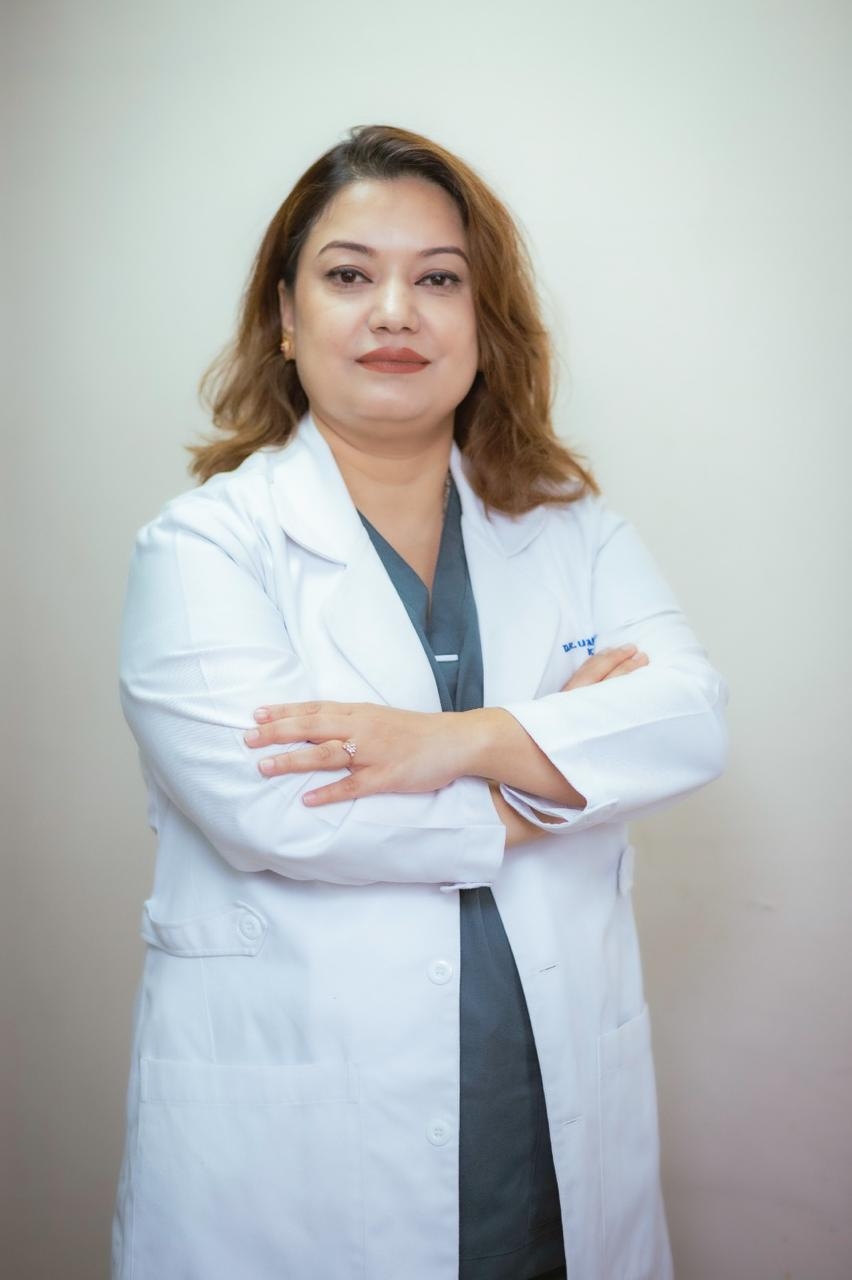
Introduction: The Growing Need for IVF in Nepal Infertility has become one of the most pressing health concerns for cou...

When it comes to reproductive health and fertility care, choosing the right expert is the most crucial decision a couple...
Navigating difficulties in conceiving can be an emotionally exhausting experience, especially when cultural pressures an...

