How to Prepare Your Body for IVF: A 3-Month Pre-IVF Plan
Key Takeaways
- The 90 days before IVF are the best window to improve egg and sperm quality, because sperm takes about 74 days to mature.
- Focus on a fertility-enhancing, Mediterranean-style diet and a daily prenatal vitamin — diet does the heavy lifting, not extra supplements.
- Both partners should prepare with nutrition, moderate exercise, 7–9 hours of sleep, and stress reduction.
- Any medication or supplement should be taken only under the instruction of your fertility specialist.
Knowing how to prepare your body for IVF can maximize your chances of success. The 3 months before starting IVF treatment are a critical window to optimize egg and sperm quality, improve overall health, and build resilience for the emotional and physical demands ahead. This comprehensive 3-month pre-IVF preparation plan covers everything you need: a fertility-enhancing diet, prenatal supplements, exercise, lifestyle changes, and mental health optimization.
Why the 3 Months Before IVF Matter
Sperm takes around 74 days to fully develop, and egg quality responds gradually to better nutrition, sleep, and reduced stress. That makes the 90 days before your cycle the single best opportunity to influence the cells that matter most. Small, consistent changes during this window can meaningfully improve your IVF outcomes for both partners.
Pre-IVF Preparation Timeline: Month by Month
Month 1: Assessment and Planning
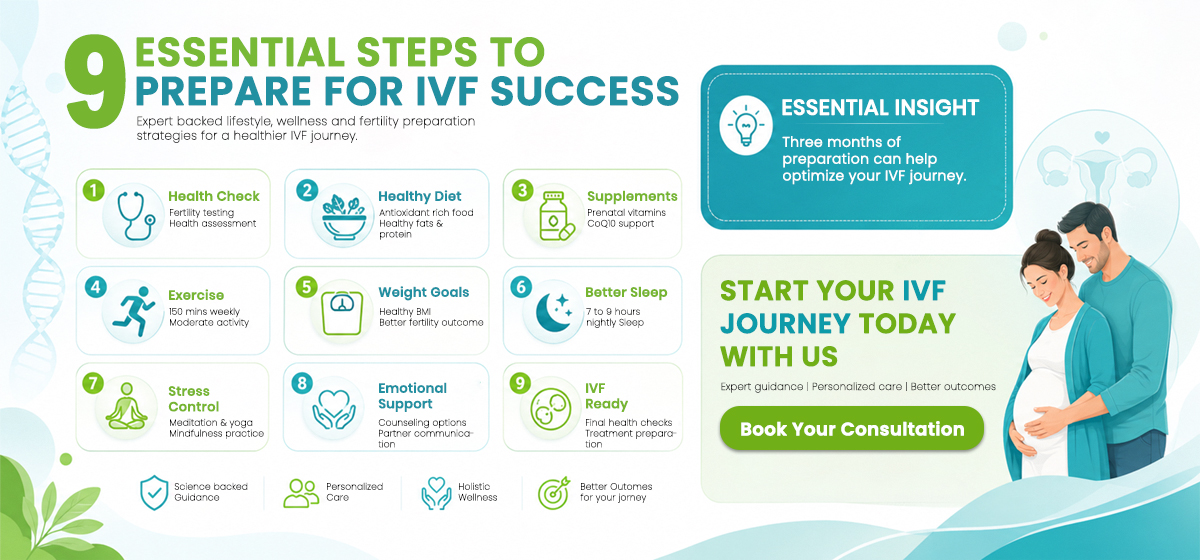
Begin with a comprehensive health assessment. Schedule a physical examination and blood work. Test thyroid function, vitamin D levels, and iron stores. Complete all recommended fertility testing. Establish a baseline weight and assess your fitness level. Meet with a nutritionist to review your diet. Begin basic stress reduction. Start daily prenatal vitamins. Eliminate smoking and reduce alcohol. This month focuses on baseline assessment and initial changes.
Month 2: Intensive Optimization
Deepen your dietary changes toward a Mediterranean-style, fertility-enhancing diet. Continue daily prenatal vitamins, and make sure your partner begins prenatal (preconception) vitamins as well. Start regular moderate exercise (30 minutes, 4-5 times weekly). Begin a meditation or yoga practice. Address any vitamin deficiencies identified in month 1. Normalize your weight if needed. Continue stress reduction and improve your sleep quality (7-9 hours nightly). This month focuses on active optimization.
Month 3: Final Preparation
Continue all nutrition and dietary protocols. Optimize remaining health markers. Clear your calendar for IVF appointments. Build emotional resilience through counseling or support groups. Strengthen communication with your partner. Finalize financial arrangements. Prepare mentally and emotionally for treatment. Maintain consistency in diet, exercise, and prenatal supplements. Obtain final medical clearance from all providers. This month focuses on readiness.
The Best Fertility Diet Before IVF
Antioxidant-Rich Foods
Increase antioxidant-rich foods that protect egg and sperm quality. Include berries (blueberries, strawberries), leafy greens (spinach, kale), nuts and seeds, tomatoes, and dark chocolate. Antioxidants neutralize free radicals that damage reproductive cells. Aim for 5-9 servings of fruits and vegetables daily, and include foods rich in vitamins C, E, and selenium — all important for fertility.
Healthy Fats and Omega-3s
Include healthy fats that support hormone production. Eat fatty fish (salmon, mackerel, sardines) 2-3 times weekly for omega-3 fatty acids. Add avocados, olive oil, nuts, and seeds. These fats reduce inflammation and support cardiovascular health. Avoid trans fats found in processed and fried foods, which harm reproductive health.
Protein and Whole Grains
Consume adequate protein (0.8-1 gram per kilogram of body weight daily) from eggs, fish, poultry, legumes, and plant-based sources. Replace refined carbohydrates with whole grains such as brown rice, quinoa, and whole wheat bread. Whole grains provide steady energy and support hormonal balance.
Supplements and Fertility Diet Protocol
For Women
Take a daily prenatal vitamin with folate (400-800 mcg) to support healthy egg development and help prevent birth defects. Beyond prenatal vitamins, the most powerful changes come from your plate: prioritize fertility-enhancing dietary changes — an antioxidant-rich, Mediterranean-style diet with healthy fats, quality protein, and whole grains — rather than additional supplementation. Always consult your fertility specialist before starting any supplements.
For Men
A daily preconception multivitamin with folate supports healthy sperm development. As with women, focus on fertility-enhancing dietary changes — plenty of antioxidant-rich fruits and vegetables, omega-3s, and whole foods — to support sperm quality, rather than relying on additional supplements. Consult your urologist before starting any supplements.
Exercise and Lifestyle Modifications
Optimal Exercise Program
Aim for 150 minutes of moderate exercise weekly through brisk walking, swimming, cycling, or low-impact aerobics. Include 2 days of resistance training weekly. Avoid excessive high-intensity exercise, which may stress the body. Exercise improves cardiovascular health, weight management, and stress reduction — all important for IVF success.
Weight Management
Achieve a healthy BMI (18.5-24.9) before IVF if possible. Even a 5-10 percent change in weight can improve fertility significantly. Weight management supports egg quality, hormone balance, and pregnancy outcomes. Combine nutrition and exercise for sustainable results, and avoid crash diets that deplete the nutrients needed for fertility.
Sleep Optimization
Aim for 7-9 hours of quality sleep nightly. Poor sleep disrupts hormone balance and reproductive health. Maintain a consistent sleep schedule, create a dark and cool sleeping environment, and avoid screens 1 hour before bed. Sleep is critical for hormone regulation throughout fertility treatment.
Mental Health and Stress Reduction
Stress Reduction Practices
Begin a meditation or mindfulness practice (10-20 minutes daily). Yoga combines exercise with stress reduction, deep breathing activates the relaxation response, and journaling helps you process emotions. Spend time in nature. These practices lower cortisol and support reproductive health, building emotional resilience for treatment.
Mental Health Support
Consider fertility counseling to address fears and expectations. Join support groups to connect with others on the fertility journey. Discuss treatment plans with your partner to stay aligned. Address any depression or anxiety with a mental health provider. A strong emotional foundation supports better IVF outcomes.
Start Your Pre-IVF Preparation
Our specialists can create a personalized 3-month preparation plan with guidance on fertility nutrition, prenatal supplements, exercise, and mental health optimization before your IVF cycle.
Book Your Free ConsultationFrequently Asked Questions
Q: Is 3 months enough time to prepare for IVF?
A: Three months is ideal for egg and sperm quality optimization. Sperm production takes about 74 days, so 3 months allows one complete cycle of improvement. Egg quality improves more gradually, but 3 months still provides meaningful benefits. Even shorter preparation is better than none.
Q: Are all supplements necessary?
A: Prenatal vitamins are the most evidence-supported supplement, and a healthy, fertility-enhancing diet provides many of the nutrients your body needs. Consult your fertility specialist about which supplements are right for you, and avoid excess supplementation — more is not always better.
Q: Can I continue my current medications?
A: Most medications are safe during fertility treatment, but some require adjustment. Any medication should be taken only under the instruction of your fertility specialist. Discuss all medications and supplements before starting treatment, and do not stop any medication without medical advice.
Q: How much exercise is too much?
A: Moderate exercise is beneficial, but excessive high-intensity exercise or marathon training may stress the body and reduce fertility. Moderate exercise (30 minutes, 4-5 times weekly) is optimal. Listen to your body and adjust as needed.
Q: Do both partners need to prepare?
A: Yes. Both partners benefit from preparation. Male partners should follow similar nutrition, exercise, and dietary protocols to optimize sperm quality. Partner support and participation improve overall IVF outcomes.
Optimize Your IVF Success
National IVF provides comprehensive pre-treatment preparation guidance. Schedule your consultation to develop your personalized plan.
Schedule Your AppointmentFree, no-obligation consultation | Board-certified specialists
Medical Disclaimer: This article is for general informational and educational purposes only and is not a substitute for professional medical advice, diagnosis, or treatment. Any medications or supplements should be taken only under the instruction and supervision of a qualified fertility specialist or healthcare provider. Do not start, stop, or change any medication without consulting your fertility specialist first. Always seek the advice of your physician with any questions regarding your health or fertility treatment.