Navigating Infertility: Tips for Parenthood in Nepal

2 years ago, 3 minutes read
Infertility is a global issue that affects couples regardless of their location, and Nepal is no exception. The journey to parenthood can be particularly challenging when fertility issues arise. In this blog, we'll explore tips and guidance for Nepali couples facing infertility as they navigate the path toward building their families.
When you're struggling to conceive, it's essential to consult a healthcare professional. In Nepal, you can start with a gynecologist or the reproductive medicine and fertility specialist who can evaluate your fertility health and provide guidance on potential issues or treatments.
Fertility clinics in Nepal offer specialized expertise and advanced treatments, such as in vitro fertilization (IVF) and intrauterine insemination (IUI). If initial consultations don't yield results, consider seeking assistance from fertility specialists who can tailor treatment plans to your specific needs.
Effective communication is crucial in any relationship, especially when facing infertility. It's essential for couples to discuss their emotions, fears, and hopes throughout the journey. Open dialogue can strengthen your bond and reduce emotional stress.
Take the time to educate yourselves about fertility and the various factors that can affect it. Understanding the basics of ovulation, the menstrual cycle, and common fertility issues can help you make informed decisions.
Adopting a healthy lifestyle can positively impact your fertility. Both partners should focus on maintaining a balanced diet, engaging in regular physical activity, reducing stress, and avoiding harmful habits such as smoking and excessive alcohol consumption.
Nepal has a rich cultural and traditional background, and many couples explore complementary therapies and practices alongside medical treatment. Practices like yoga, meditation, and Ayurveda are popular choices. Be sure to consult with your healthcare provider before integrating these methods into your treatment plan.
Infertility can be emotionally challenging. Seek emotional support from friends, family, or support groups. Online communities and local support networks can offer invaluable guidance and reassurance.
Infertility treatment can be a lengthy process, and results are not guaranteed overnight. It's essential to remain patient and resilient as you navigate the ups and downs of treatment cycles.
Understanding the financial aspects of fertility treatment is crucial, as it can be costly. Explore your options for funding and consider the available resources and support, including insurance, financial assistance programs, or grants.
Nepal has specific regulations regarding fertility treatments. Ensure that you're well-informed about the legal and ethical aspects of fertility treatments in the country.
Navigating infertility in Nepal can be a challenging but hopeful journey. By seeking professional guidance, engaging in open communication, and taking steps to maintain a healthy lifestyle, couples can increase their chances of achieving their dream of parenthood. Remember that you're not alone on this path, and many resources and compassionate professionals are available to support you in your quest to start or expand your family. Stay resilient, stay hopeful, and know that there is light at the end of the tunnel.
Introduction Many couples considering IVF have safety concerns about the procedure and its effects on mother and baby....

Introduction In vitro fertilization (IVF) is one of the most advanced reproductive technologies available today, offeri...
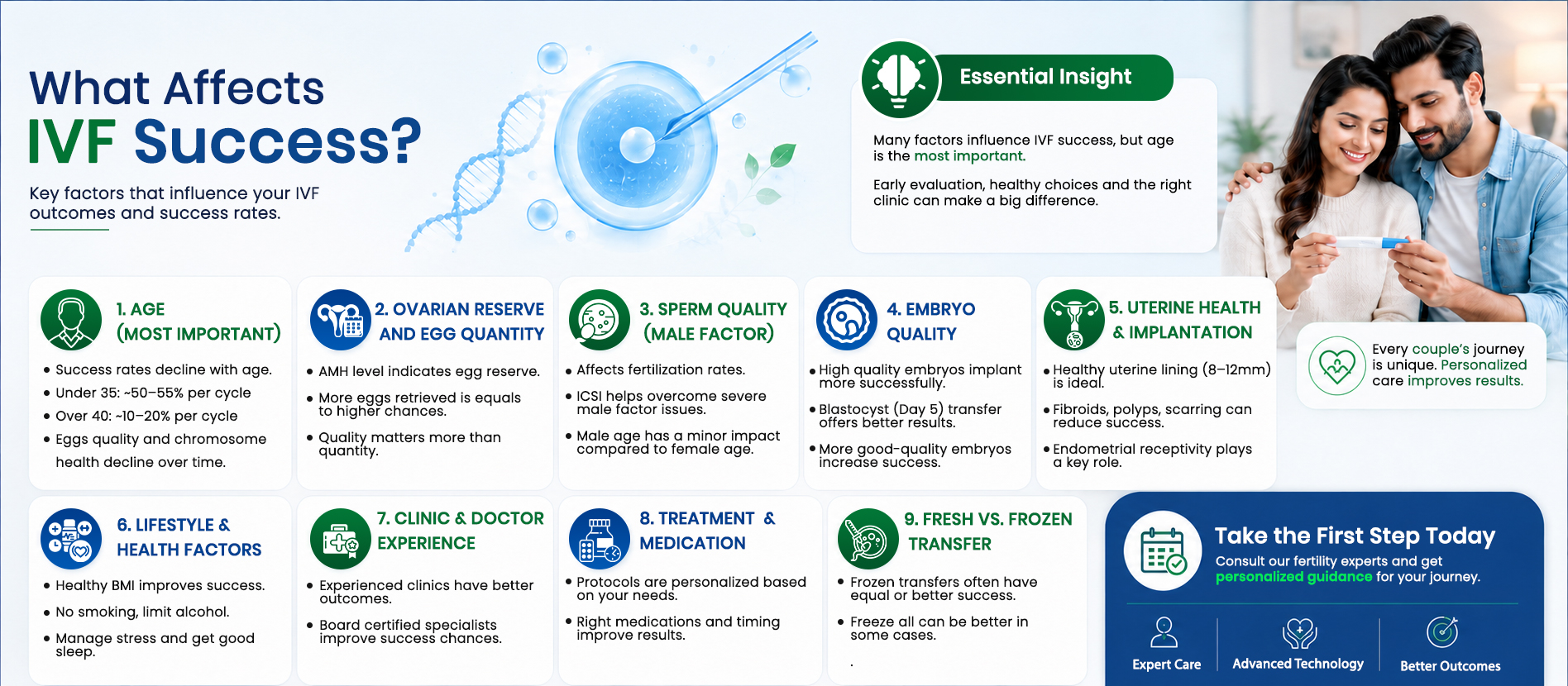
Introduction IVF success rates vary dramatically between patients and clinics. Understanding what affects your pe...

